

Community Wellness and Fun at the Paul First Nation Health Fair Despite the Rain
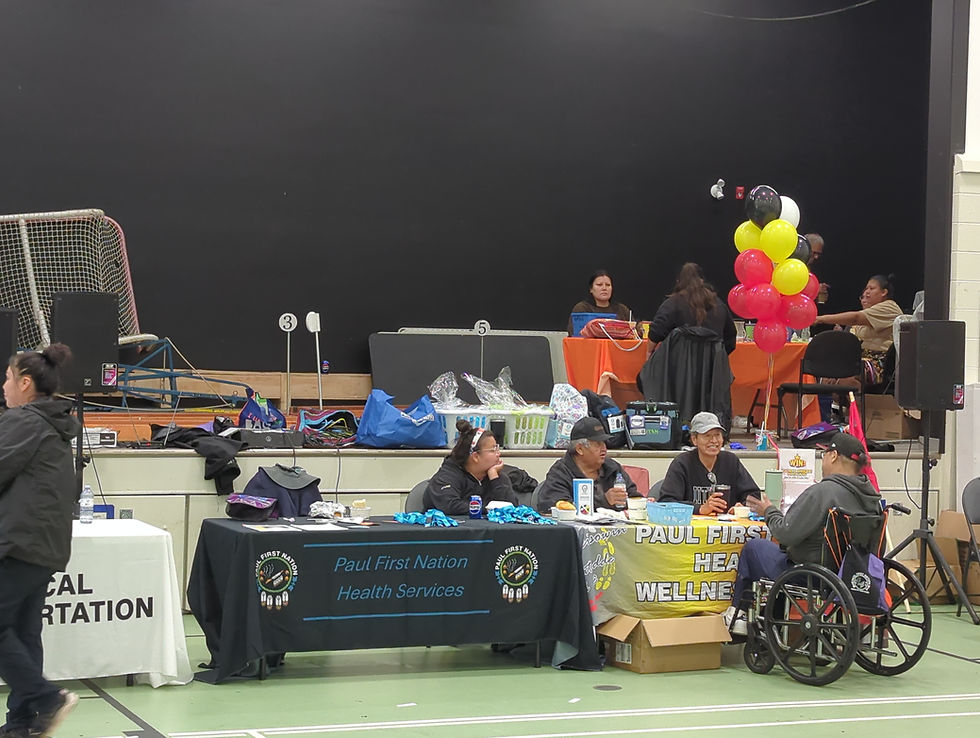
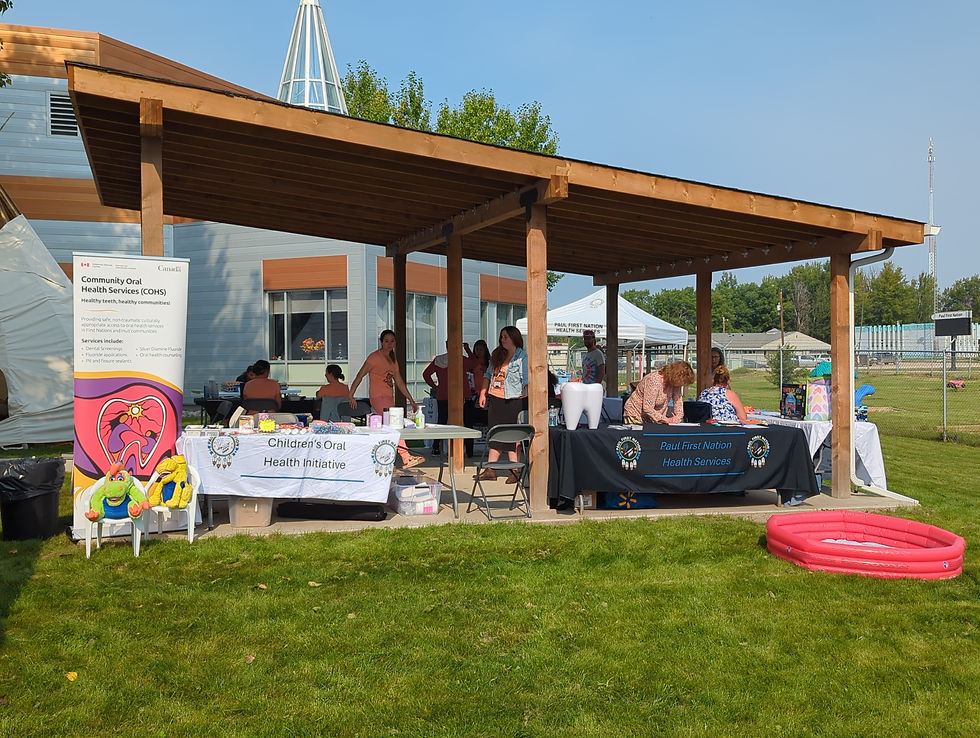
The Paul First Nation Health Fair was designed to bring vital health services directly to the community in an engaging and interactive way. The event aimed to showcase programs such as Home Care, Medical Transportation, Community Health, COHI, Land Base, Crisis Response Team, Maternal Child Health (MCH), and Water Monitoring. Alongside these, guest booths from the University of Alberta, Primary Care Network Westview, and Sip Soda Co. added valuable resources and information. While the original plan was to host a lively outdoor walk-around fair with activities like bouncy houses, a petting zoo, mini golf, and a dunk tank, heavy rain forced the event indoors. Despite this challenge, the community’s spirit remained strong, and the fair was a success.
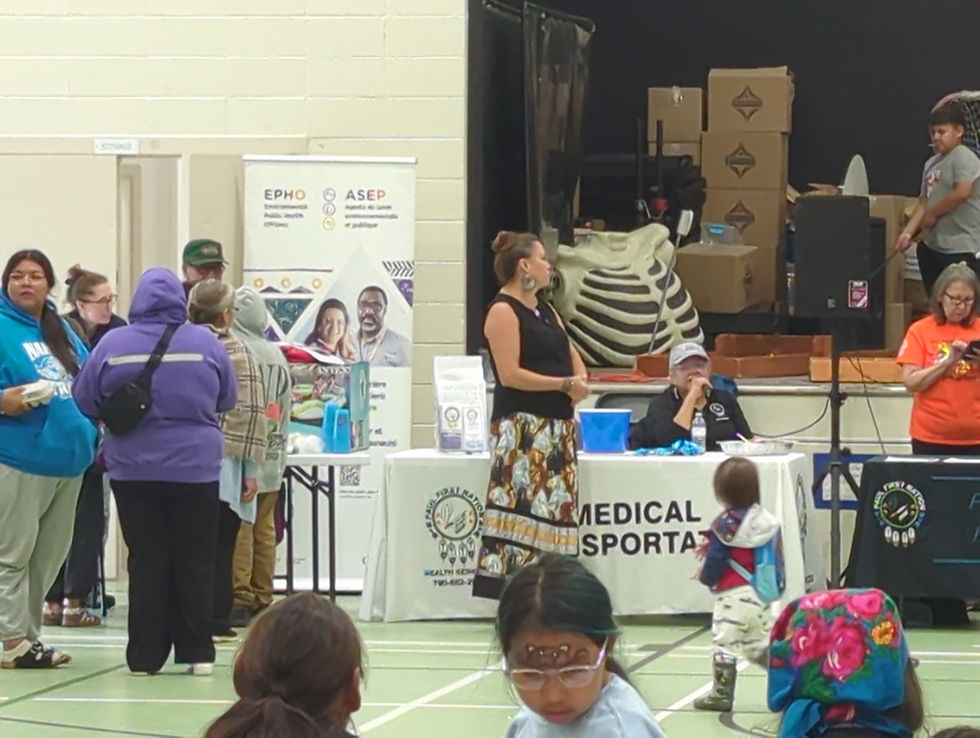
Adapting to the Weather: Moving Indoors
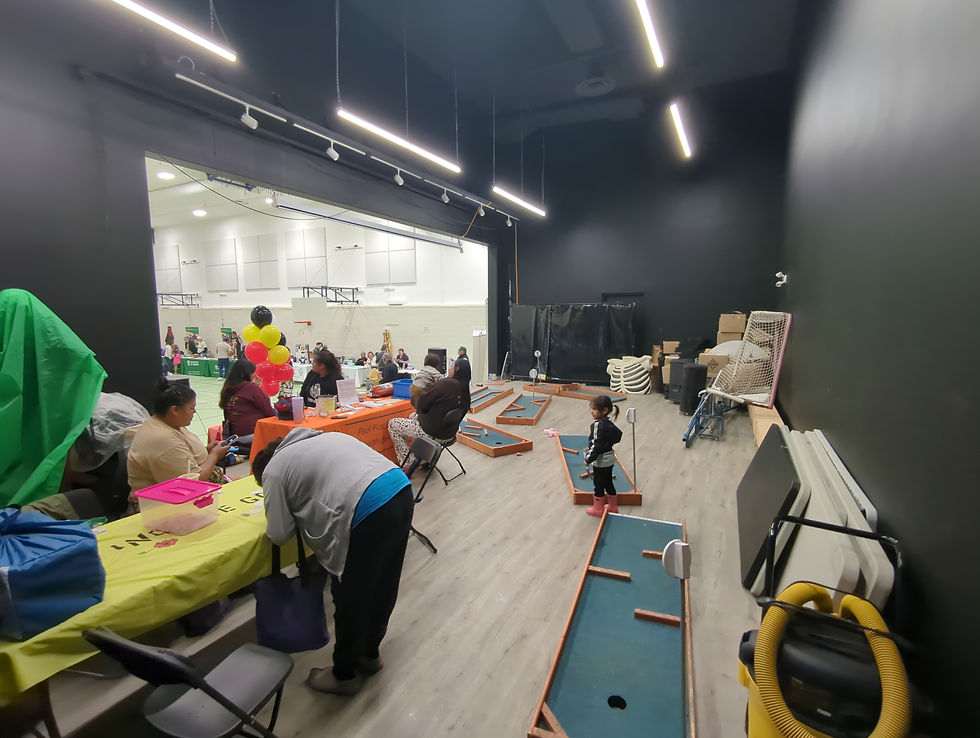
The event organizers had prepared a vibrant outdoor experience, but the heavy rain made it impossible to use the planned outdoor spaces. The Old School Gym became the new venue, providing shelter and a cozy environment for the community to gather. While some activities like the petting zoo and dunk tank could not be moved indoors, the mini golf and Plinko booths were successfully relocated from the Arbor to the gym. This quick adaptation ensured that the community still had fun activities to enjoy while learning about health services.
The indoor setting encouraged more focused conversations between community members and health service providers. It also created a welcoming atmosphere where families could comfortably explore the booths without worrying about the weather.
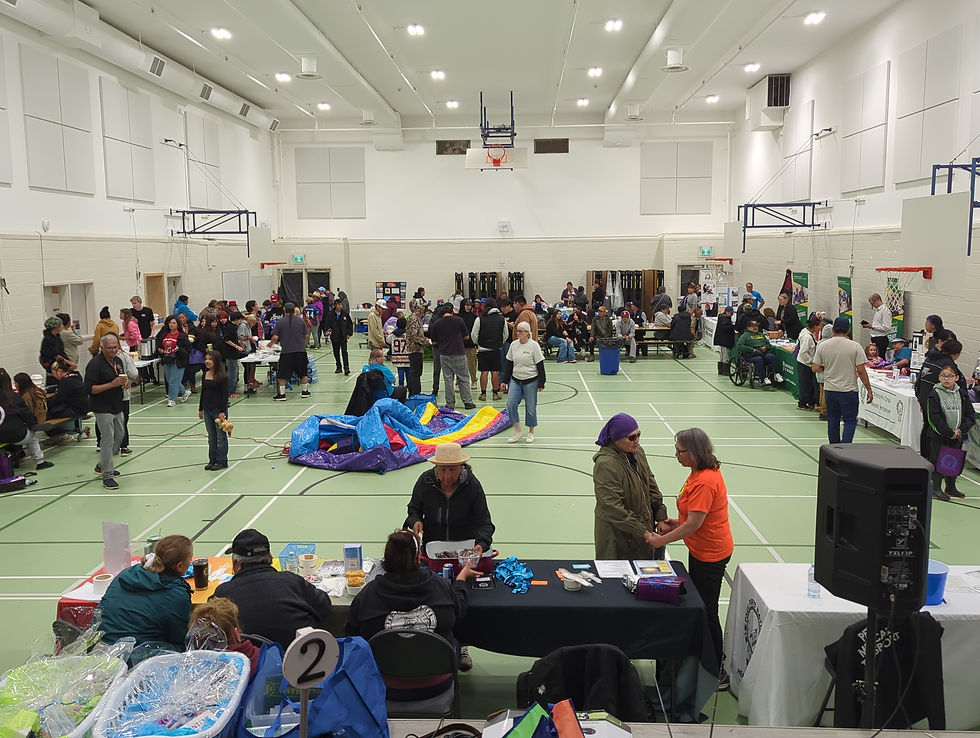
Engaging the Community with Health Services
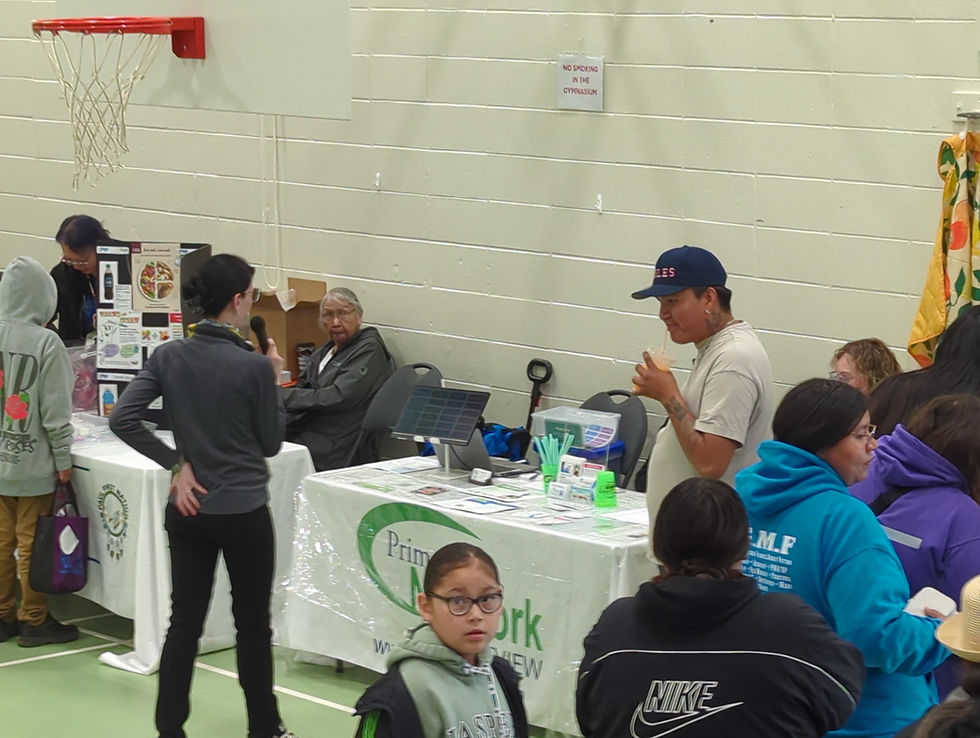
Each booth at the Community Health Fair was designed to encourage interaction and provide valuable information. Attendees were invited to participate actively, with the incentive of entering a door prize draw for engaging with the booths. This approach helped break down barriers and made health information more accessible.
Here are some of the key programs featured:
Home Care: Information on in-home support services for elders and those with mobility challenges.
Medical Transportation: Details on transportation options for medical appointments.
Community Health: Resources for wellness, chronic disease management, and health promotion.
COHI (Children’s Oral Health Initiative): Focused on dental health for children.
Land Base Program: Promoting connection to traditional lands and cultural wellness.
Crisis Response Team: Support for mental health emergencies.
Maternal Child Health (MCH): Services for mothers and young children.
Water Monitoring: Ensuring safe and clean water in the community.
Guest booths from the University of Alberta and Primary Care Network Westview provided additional health education and resources, while Sip Soda Co. offered a refreshing touch to the event.
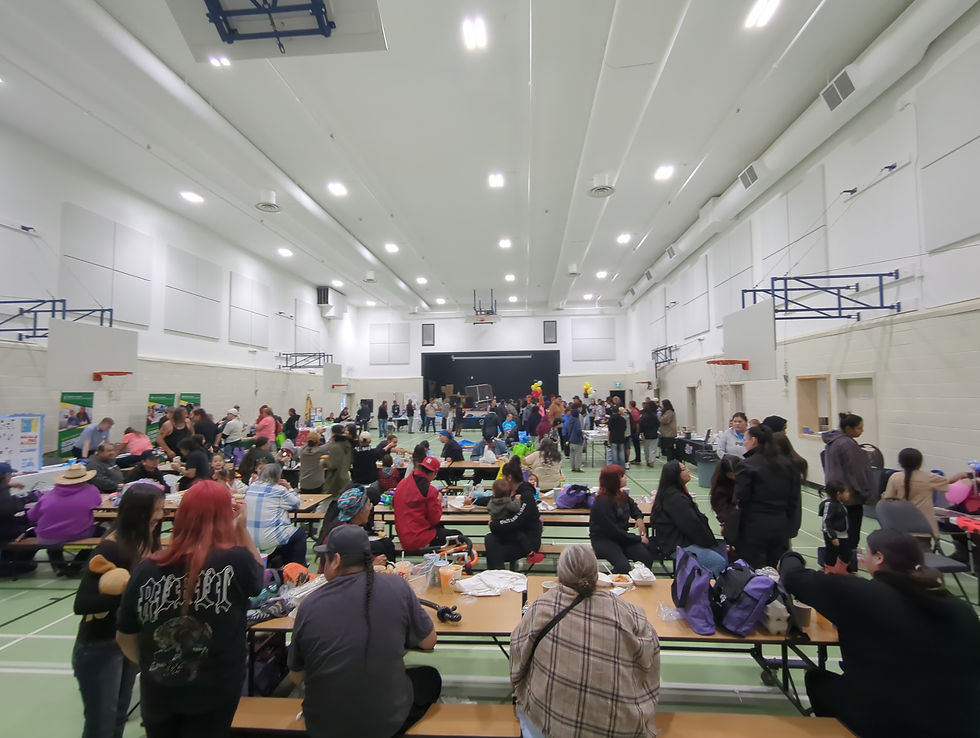
Honoring Tradition with a Blessing and Shared Meals
At noon, the event paused for a meaningful moment as elders blessed two separate lunches. The adults enjoyed soup and bannock, a traditional bread, while children were served lasagna and spaghetti. This shared meal reinforced community bonds and respect for cultural traditions.
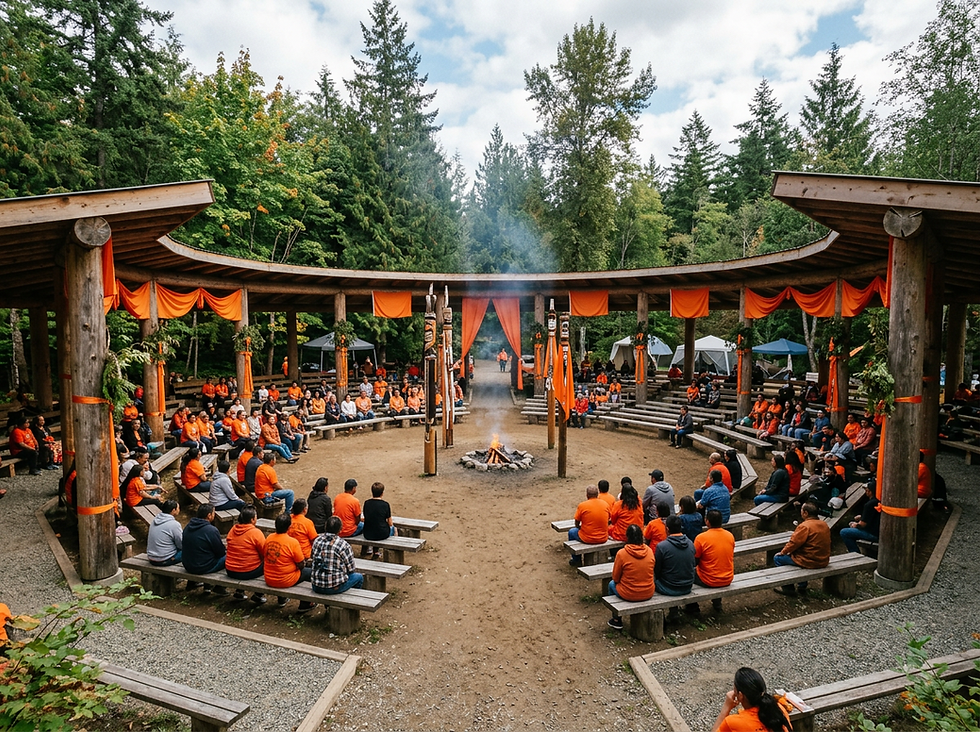
The blessing was a reminder of the importance of health not only in the physical sense but also in spiritual and cultural well-being. It set a tone of gratitude and connection that carried through the rest of the fair.
Sharing Knowledge Through the MC and Prize Draw
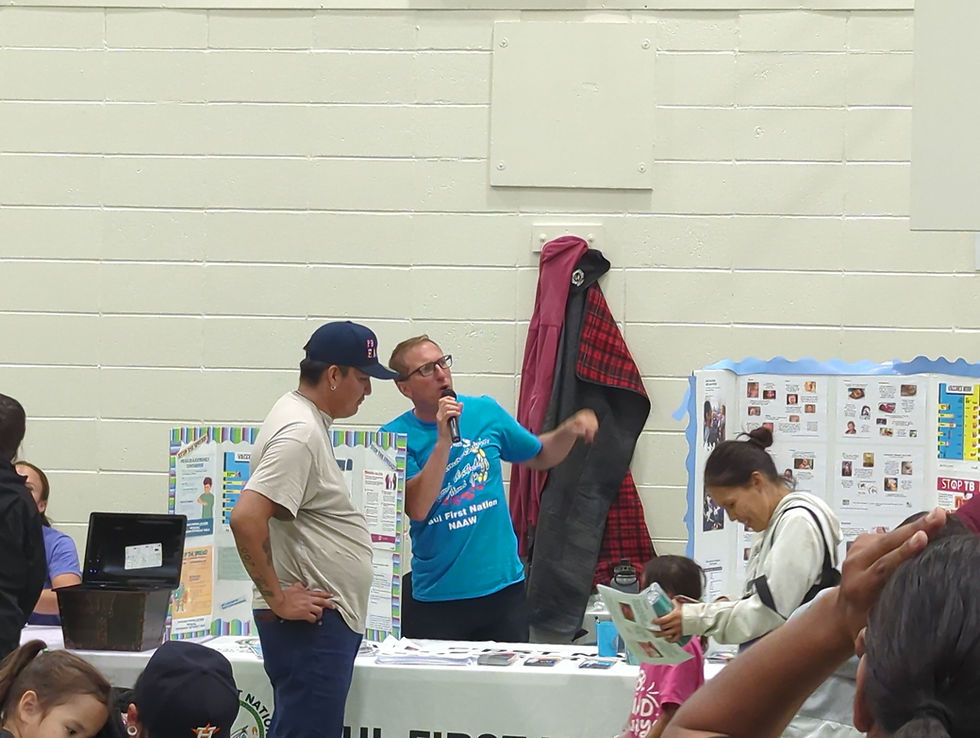
Chico, the event’s MC, played a key role in keeping the community informed and engaged. After lunch, Chico gave each booth an opportunity to explain the services they offered. This helped attendees understand how to access support and encouraged further questions.
The event concluded with the drawing of door prizes, rewarding those who had actively participated throughout the day. This fun element added excitement and encouraged community members to visit multiple booths.
Lessons Learned and Moving Forward
The Paul First Nation Health Fair demonstrated how flexibility and community focus can turn challenges into opportunities. Despite the rain, the event successfully connected health professionals with community members in a meaningful way.
Key takeaways include:
Flexibility is essential: Moving indoors allowed the fair to continue without losing momentum.
Community engagement matters: Incentives like door prizes encouraged participation.
Cultural respect strengthens health initiatives: The elders’ blessing and shared meals highlighted the importance of tradition.
Clear communication helps: The MC’s role ensured everyone understood the services available.
For health professionals, the fair offers a model for how to bring services directly to communities in an accessible, respectful, and enjoyable way. It also shows the value of collaboration between health programs and community organizations.
Comments