

Healing Generations: Overcoming Addiction and Trauma through Traditional Teachings
Addiction and trauma often ripple through families and communities, shaping lives in ways that are hard to break. At a recent community event, two powerful voices shared their experiences and insights on healing these deep wounds. Wilson Bearhead spoke openly about his personal struggle with addiction and how reconnecting with traditional teachings helped him find recovery. Vinny Verghese explored how generational trauma affects each generation differently, demonstrating how our bodies carry the weight of past pain and how healing can pass through generations.
This post reflects on their talks and offers practical ideas for community members and health professionals interested in supporting healing through culture and connection.

Understanding Addiction through Personal Stories
Wilson Bearhead’s story highlights the complex nature of addiction. He described how addiction was not just a personal battle but connected to a loss of identity and disconnection from his culture. His turning point came when he engaged deeply with traditional teachings, ceremonies, and community support.
Key lessons from Wilson’s experience include:
Cultural connection builds strength: Relearning language, stories, and ceremonies helped Wilson rebuild his sense of self.
Community support matters: Healing was not a solo journey but involved trusted elders, family, and peers.
Recovery is ongoing: Wilson emphasized that healing is a continuous process, requiring patience and self-compassion.
Wilson’s story reminds us that addiction often masks deeper wounds. Addressing these wounds requires more than medical treatment; it calls for restoring cultural roots and community ties.
How Generational Trauma Shapes Our Bodies and Minds
Vinny Verghese’s talk brought a fresh perspective on trauma. He explained that trauma does not only affect the individual who experiences it but can pass down through generations in subtle ways. His demonstration showed how the body physically responds to trauma inherited from parents or grandparents, affecting stress levels, emotional regulation, and even physical health.
Vinny shared practical insights:
Trauma manifests differently in each generation: While one generation may show anger or withdrawal, the next might experience anxiety or physical illness.
The body holds trauma: Physical symptoms can be signs of unresolved trauma passed down.
Healing requires awareness and release: Practices like mindfulness, traditional ceremonies, and bodywork can help release inherited trauma.
This understanding encourages health professionals to look beyond symptoms and consider family histories and cultural contexts when supporting clients.

Bringing Traditional Teachings into Healing Practices

Both speakers emphasized the power of traditional teachings in healing addiction and trauma. These teachings offer a holistic approach that integrates mind, body, and spirit.
For community members and health professionals, here are ways to incorporate traditional practices:
Create safe spaces for sharing: Community events that include storytelling, ceremonies, and cultural activities foster belonging.
Engage elders and knowledge keepers: Their guidance connects people to ancestral wisdom and healing methods.
Use culturally relevant tools: Incorporate traditional medicines, songs, dances, and rituals as part of treatment or support.
Support intergenerational healing: Encourage families to participate together in healing activities to break cycles of trauma.
These approaches complement clinical treatments and honor the whole person.
The Role of Community Events in Healing
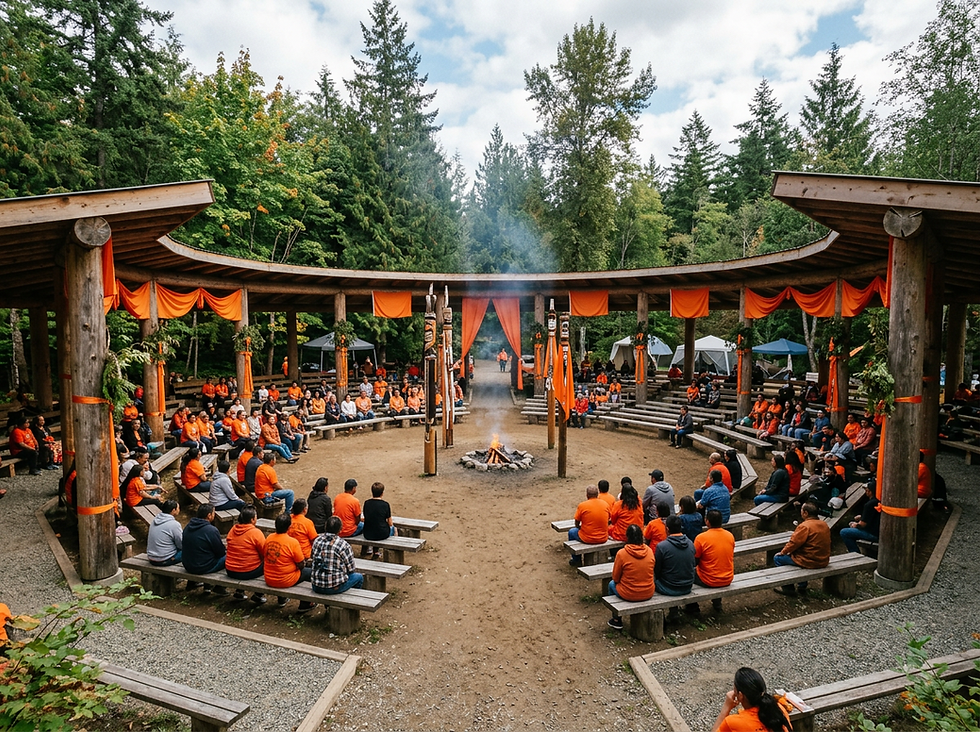
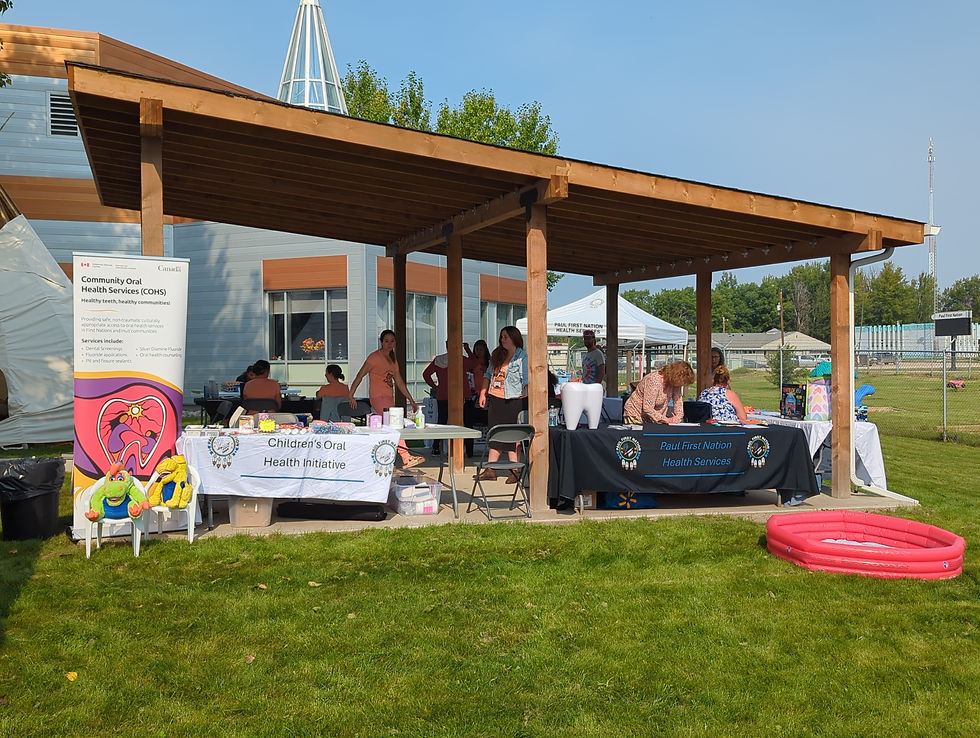
Community events like the one where Wilson and Vinny spoke play a vital role in healing. They bring people together to learn, share, and support each other. Such events:
Build trust and reduce stigma around addiction and trauma.
Provide opportunities to experience traditional teachings firsthand.
Connect individuals with resources and networks for ongoing support.
Organizers can enhance impact by including diverse voices, offering practical workshops, and creating welcoming environments.

Moving Forward with Hope and Action

Healing from addiction and trauma is challenging but possible. Wilson Bearhead’s journey shows that reconnecting with culture and community can transform lives. Vinny Verghese’s insights remind us that trauma is complex but not permanent, and that healing can flow through generations.
Community events that bring these teachings to life create powerful opportunities for change. For health professionals, integrating traditional knowledge with clinical care can improve outcomes. For community members, participating in cultural activities and supporting each other strengthens resilience.
If you are part of a community or health network, consider:
Hosting or attending events focused on traditional healing.
Building partnerships with elders and cultural leaders.
Encouraging open conversations about addiction and trauma.
Supporting programs that blend cultural and clinical approaches.
Healing is a shared journey. By embracing traditional teachings and community support, we can help break cycles of pain and build stronger, healthier generations.

Comments