

Walking Together Under the Arbor
Truth and Reconciliation gatherings carry weight because they ask a community to do more than remember. They create space for prayer, stories, grief, learning, food, song, dance, and the responsibilities that come after listening.
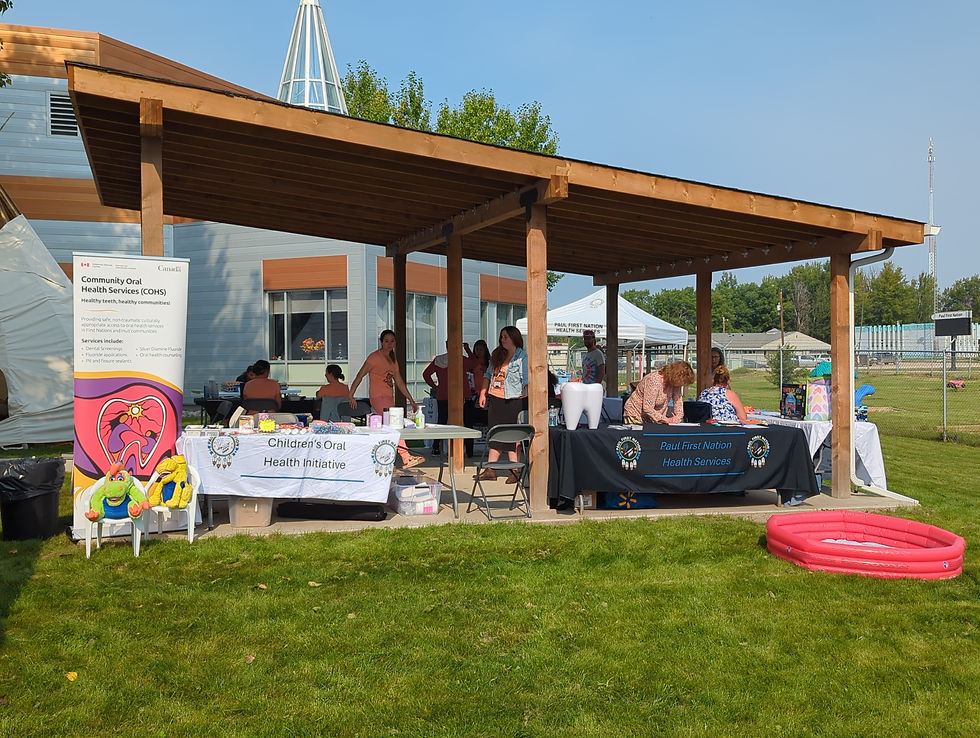
Paul First Nation marked Truth and Reconciliation at the Arbor with a community event hosted by Paul First Nation Health Services staff. Wilson Bearhead served as MC, guiding the day with care and helping each part of the gathering flow with respect.
The event brought together community members, elders, health staff, local drummers, dancers, caterers, speakers, and youth contributors. From registration to the final giveaway song, each part of the day reflected a shared commitment to honor survivors, remember children who did not return home, and support healing in the community.
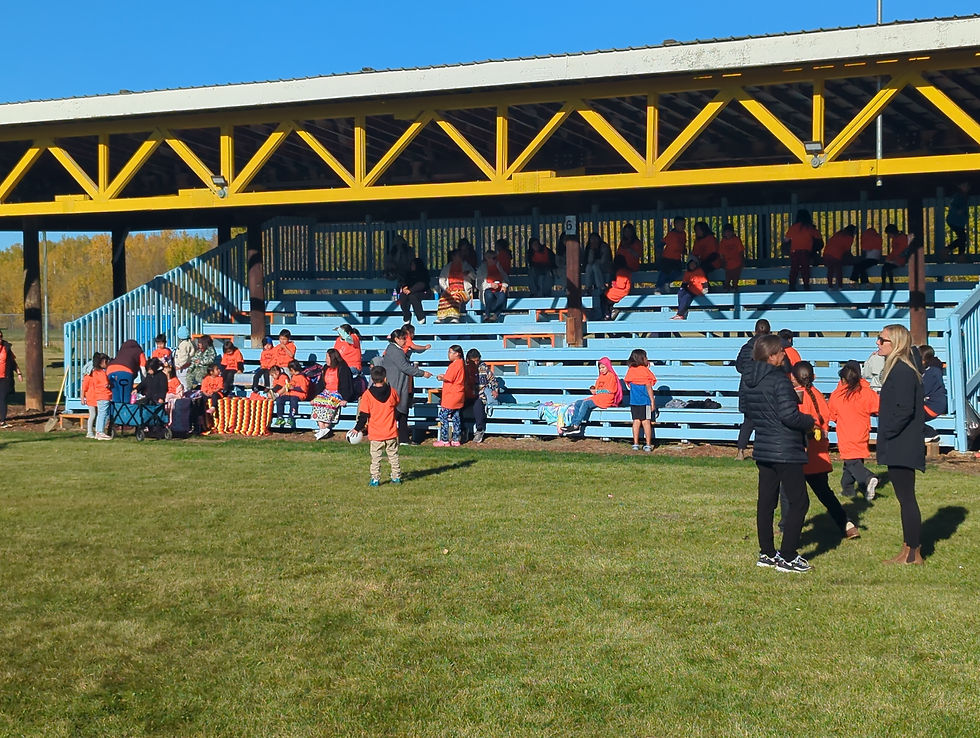
The day began with welcome, prayer, and song
The gathering opened with registration led by Paul First Nation Health Services staff. Registration may seem like a simple part of an event, but for health and community teams it helps create a welcoming first point of contact. It also gives staff a chance to greet people, answer questions, and make sure elders, families, and guests know where to go.
Community elders offered the opening prayer. In many First Nations gatherings, prayer helps ground the day before public speaking, walking, or ceremony begins. It also places the event within cultural protocol, where respect for elders and spiritual guidance comes first.
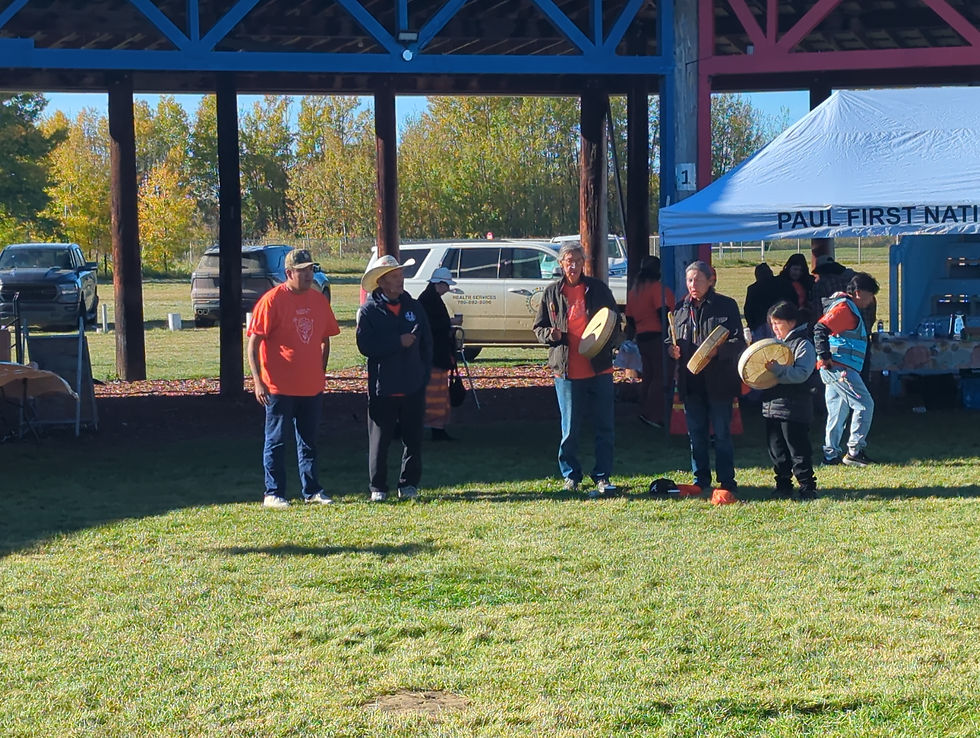
Local drummers then led a Drum Song Walk. The drum carries deep cultural meaning in many Indigenous communities. While teachings vary by Nation and family, the drum is often understood as connected to heartbeat, life, and collective presence. Starting the event with local drummers helped set a respectful pace for the day.
For health professionals, this matters. Community wellness is not only clinical. It is relational, cultural, spiritual, and emotional. Events like this show how health services can support healing by working with elders, knowledge keepers, families, and local cultural leaders.
Opening remarks gave space to truth and lived experience
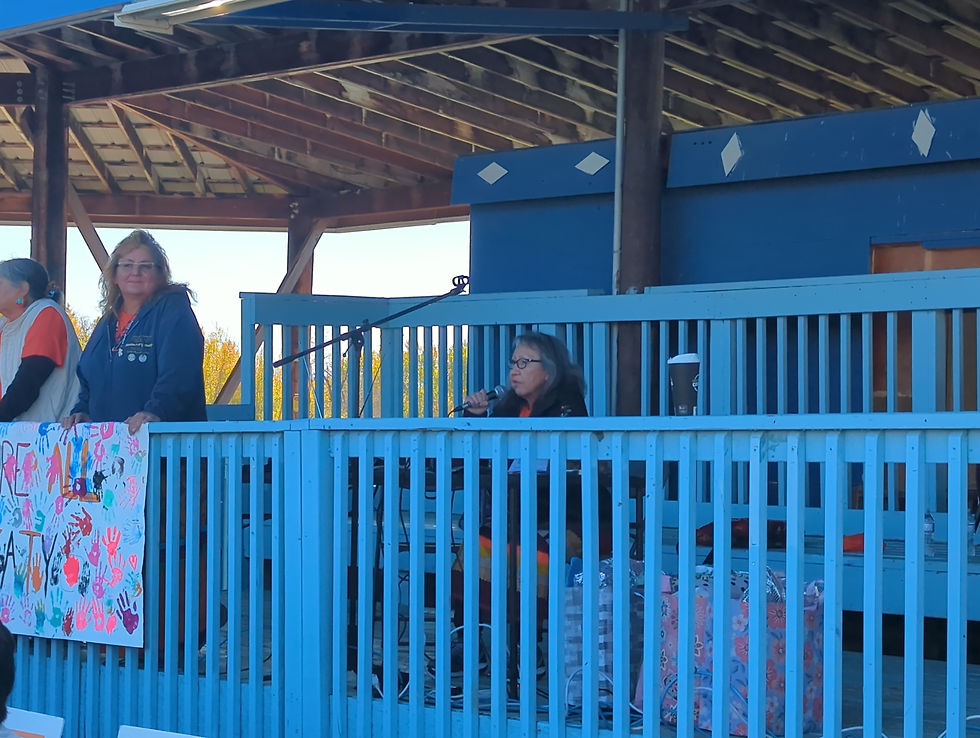
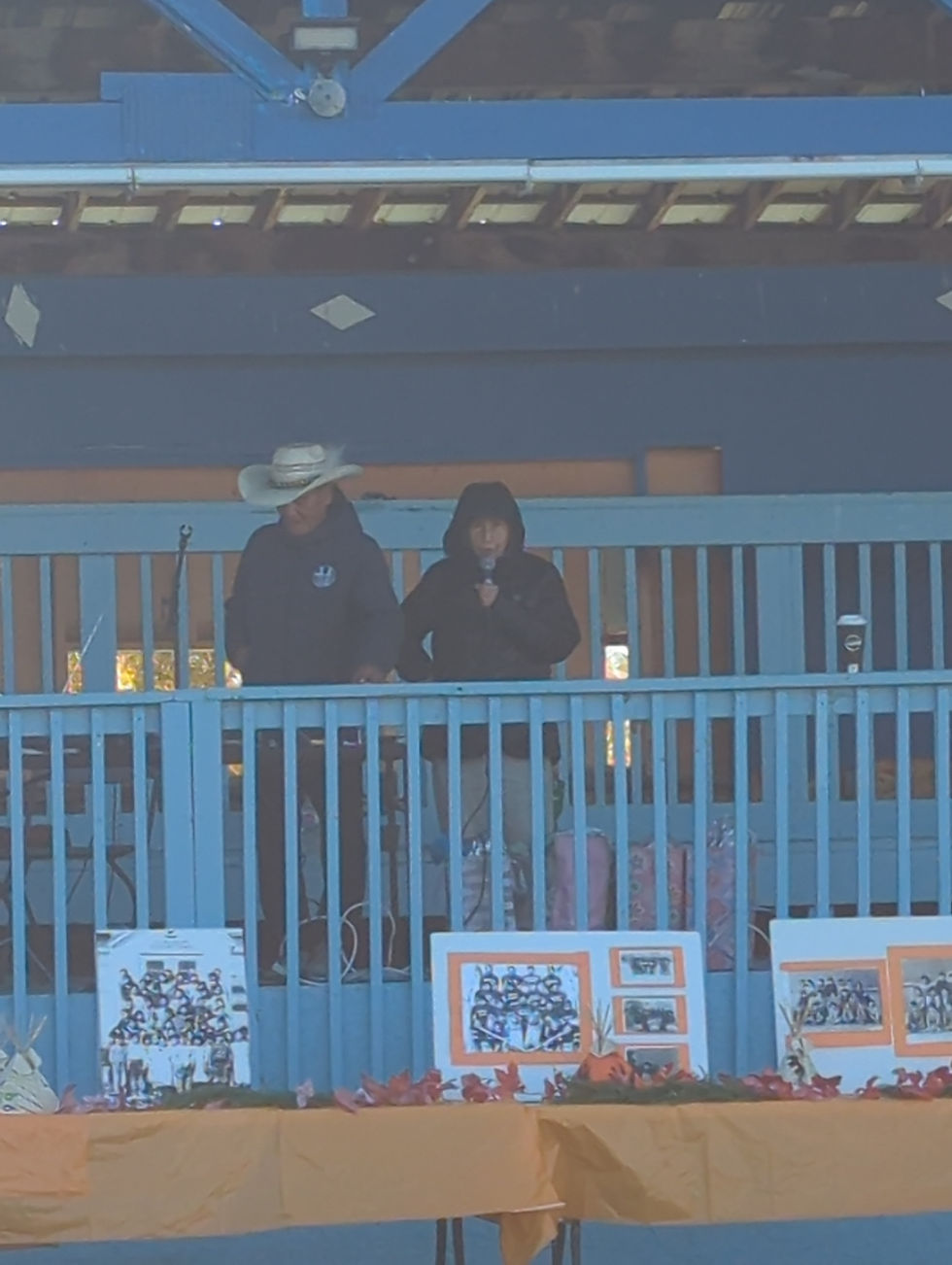
Opening remarks began with a powerful speech from Health Director Annie Bird. Her words helped frame the day as one of remembrance and responsibility. In a Truth and Reconciliation event, leadership from health services also signals that the impacts of residential schools are not only historical. They continue to affect family systems, grief, mental health, trust in institutions, and access to care.
Canada observes the National Day for Truth and Reconciliation on 30 September. The day is also connected to Orange Shirt Day, which honors residential school survivors and remembers the children who never came home. The Truth and Reconciliation Commission of Canada called for public commemoration as part of its work so that the history and ongoing effects of residential schools are not forgotten.
The open mic portion invited stories from Brenda, Doris, and Yvonne. Public storytelling can be difficult, especially when it touches on loss, survival, and family memory. It can also be a form of strength. When people speak in their own words, the community hears truth in a way that no report or statistic can fully hold.
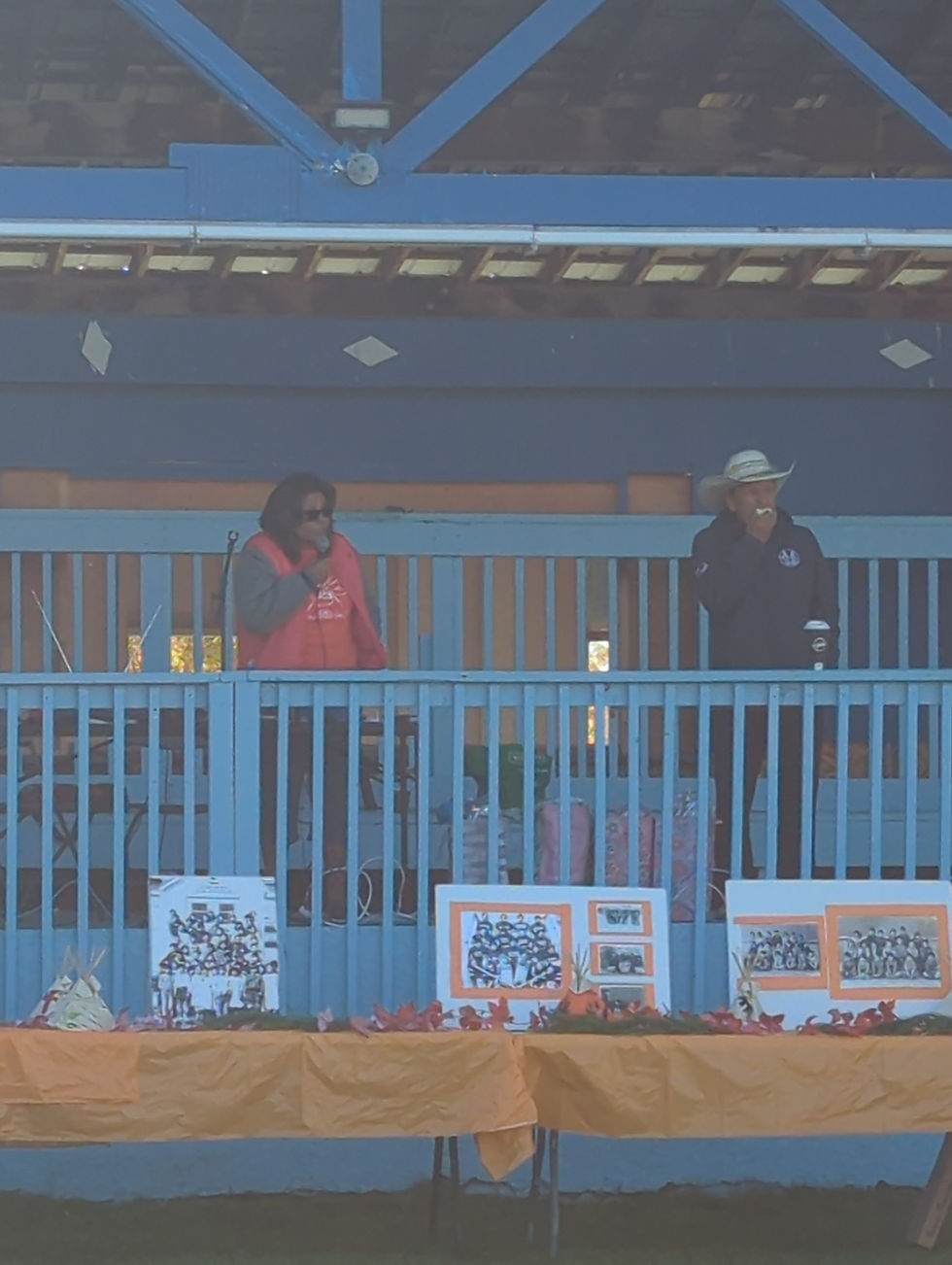
Listening is part of reconciliation. It asks people to receive what is shared without rushing to explain it away or move past it.
The remembrance walk connected place, memory, and community
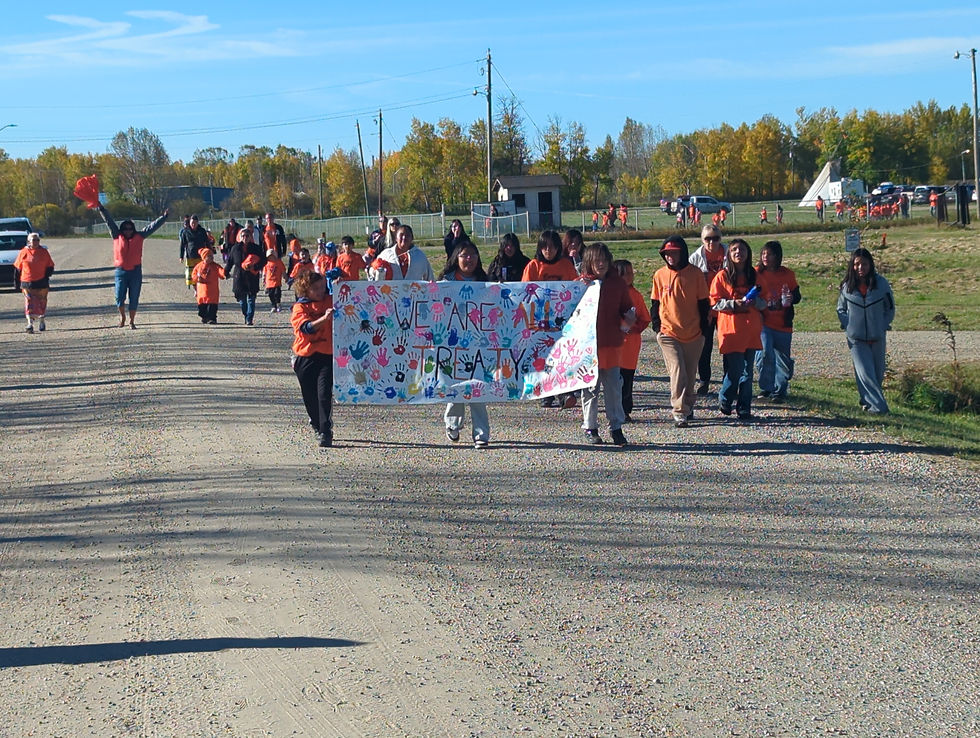
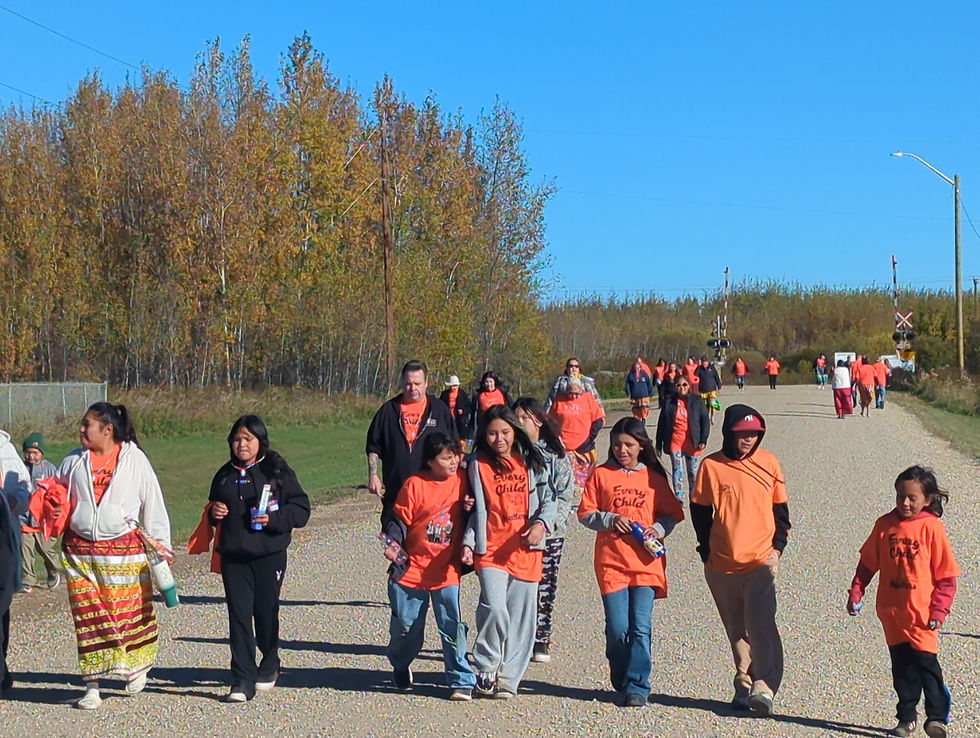
A remembrance walk took place from the Arbor to the railroad tracks. Walking together is a visible act. It allows people to carry grief and remembrance through the land as a group, rather than holding it alone.
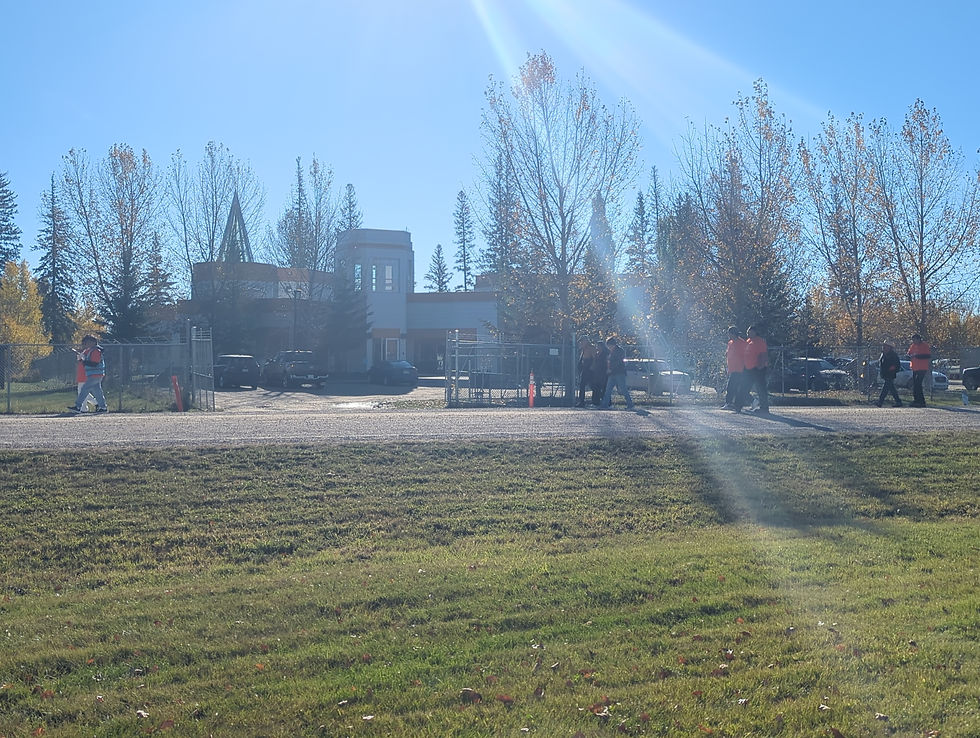
The route itself gave the gathering a physical focus. Starting at the Arbor and moving toward the railroad tracks created a shared path for reflection. Walks like this often make memory tangible. People can feel the distance, walk beside relatives and neighbors, and take part at a pace that fits them.
After the walk, lunch was served by local caterers. Food is not an afterthought in community care. A shared meal helps people reconnect after emotional moments. It gives elders a place to sit, families a place to gather, and staff a chance to check in with community members in a more relaxed setting.
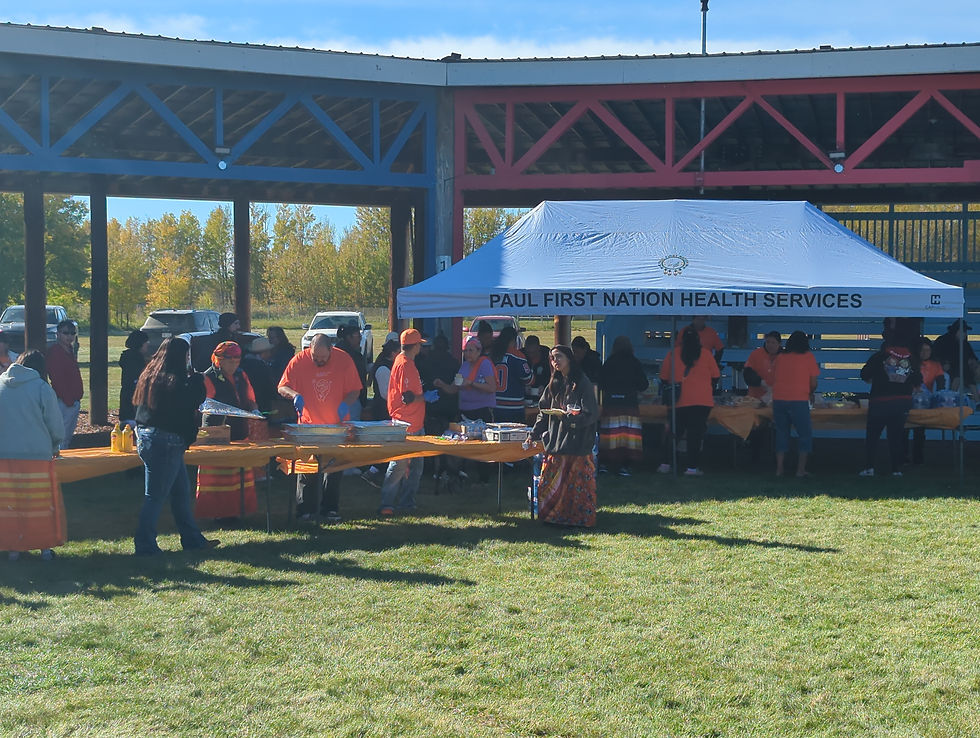
The lunch also reflected local contribution. When caterers from the community serve the meal, the event keeps support close to home. It recognizes the work that goes into feeding people well, especially after a morning centred on remembrance.
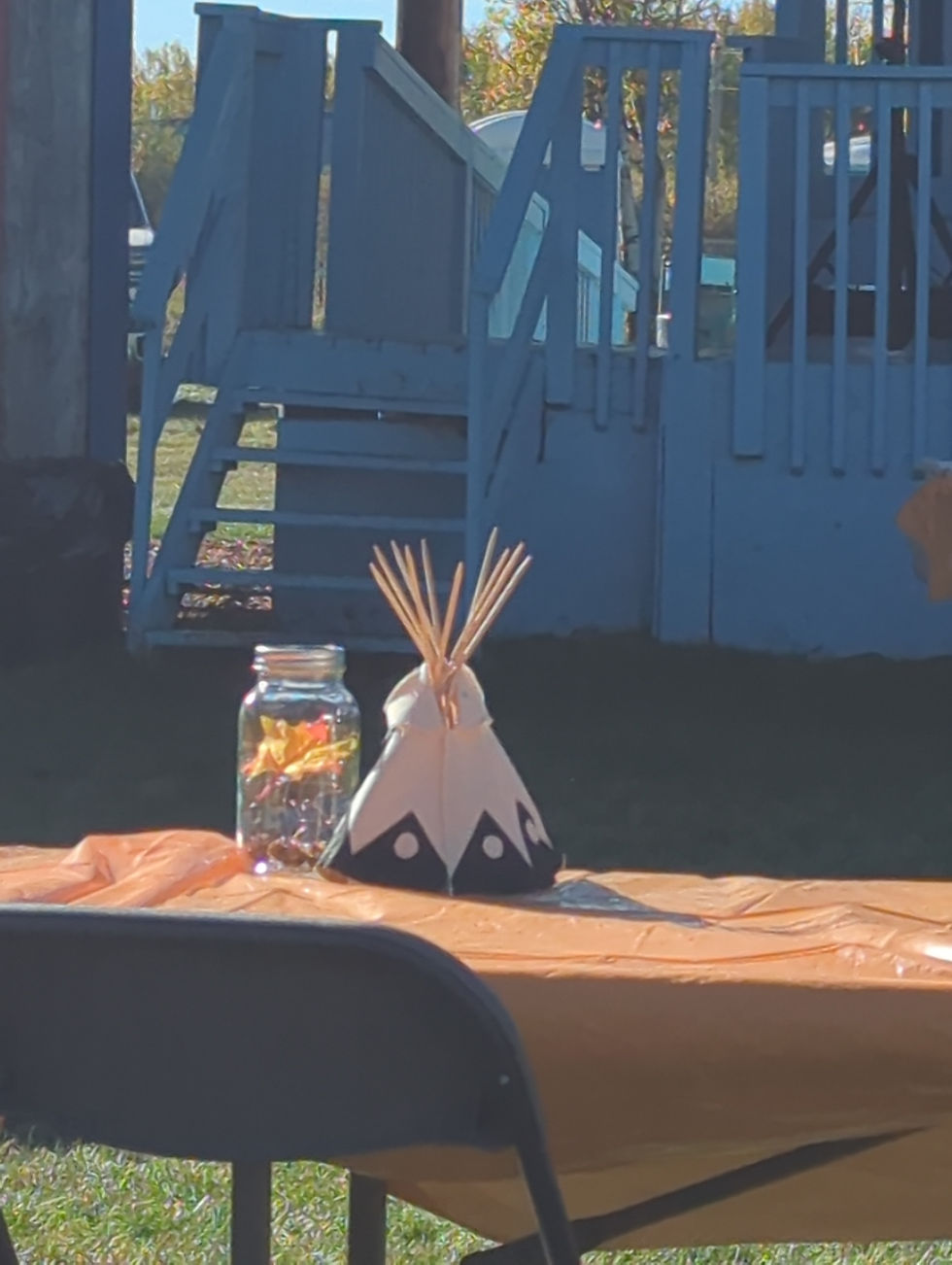
Youth creativity and women’s jingle dancing brought celebration into the day
Celeste Rain announced the logo winners for the Orange T-shirts created for the event. The designs honored the meaning of the day and gave community members, especially young artists and contributors, a way to participate through creativity.
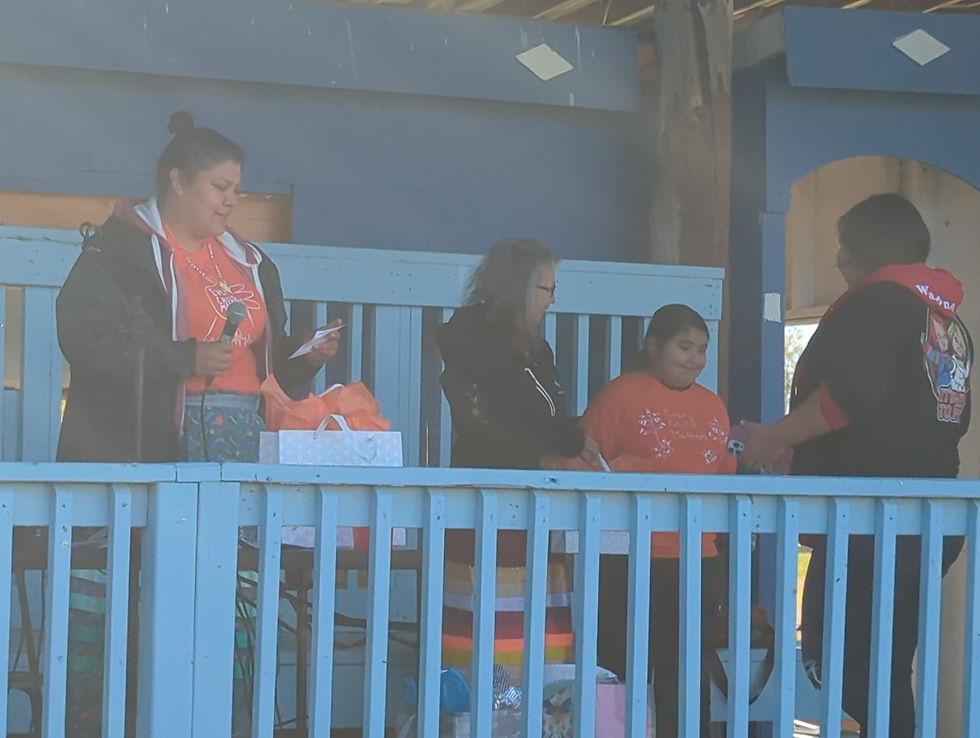
Orange shirts have become a widely recognized symbol of remembrance in Canada. They are connected to the message that every child matters and to the experiences of residential school survivors. Wearing orange at a community event helps make that message visible, but the deeper meaning comes from the stories, teachings, and commitments behind it.
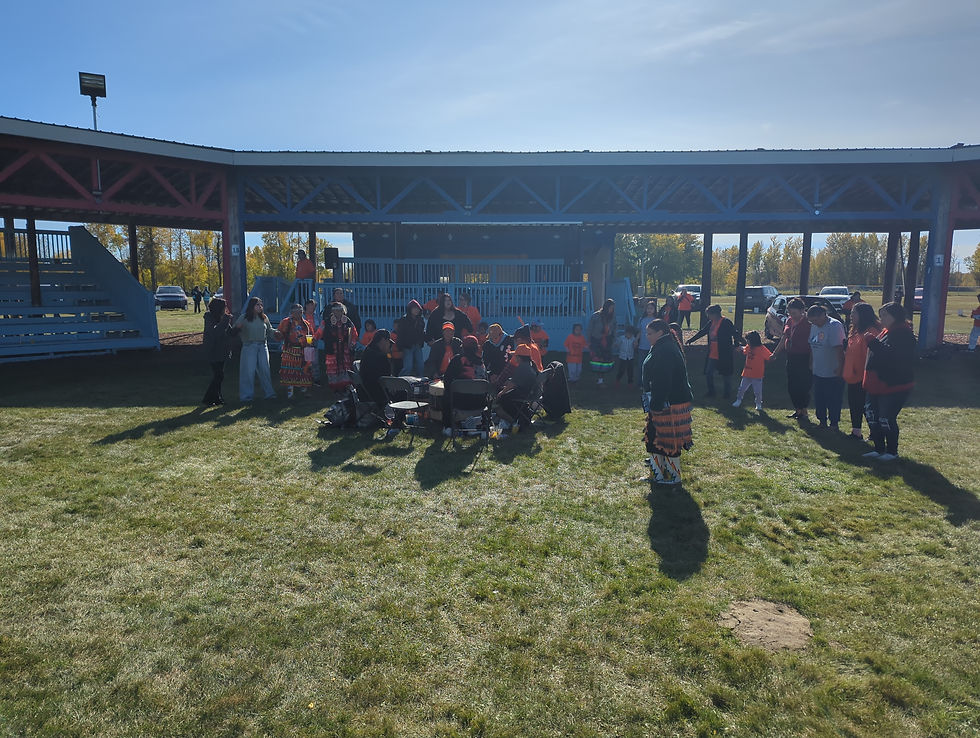
The event then welcomed women Jingle Dancers, who showcased their specific dance styles. Jingle dress dancing has strong connections to healing in many Indigenous communities, though teachings and protocols can differ. Including women dancers near the close of the day brought movement, beauty, and cultural strength into the gathering after moments of prayer, story, and remembrance.
For health services staff, this kind of programming reflects a wider view of wellness. Cultural dance, song, ceremony, and community belonging can support emotional and spiritual wellbeing. They also help younger generations see culture practiced with pride and care.
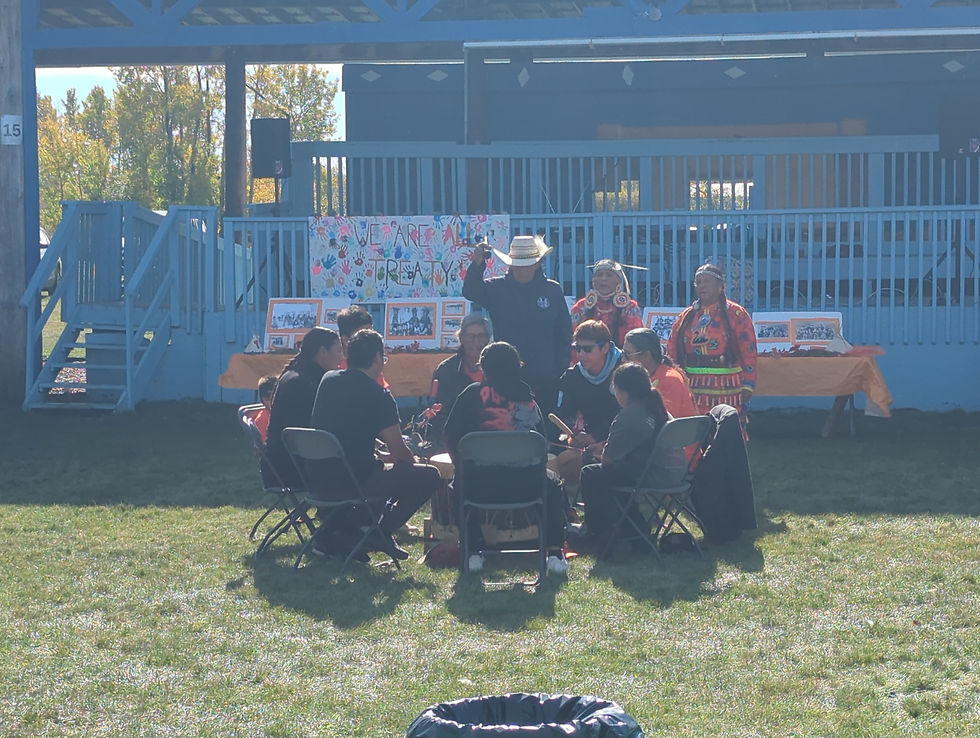
The giveaway closed the gathering with gratitude
The day ended with Paul First Nation Health Services staff leading a giveaway celebration. Drummers offered a giveaway song as gifts were presented.
Giveaways hold meaning because they turn gratitude into action. They recognize people who contributed, supported, witnessed, or carried responsibility during the gathering. They also remind the community that healing work is shared. No single speaker, dancer, elder, drummer, staff member, caterer, or volunteer carries it alone.
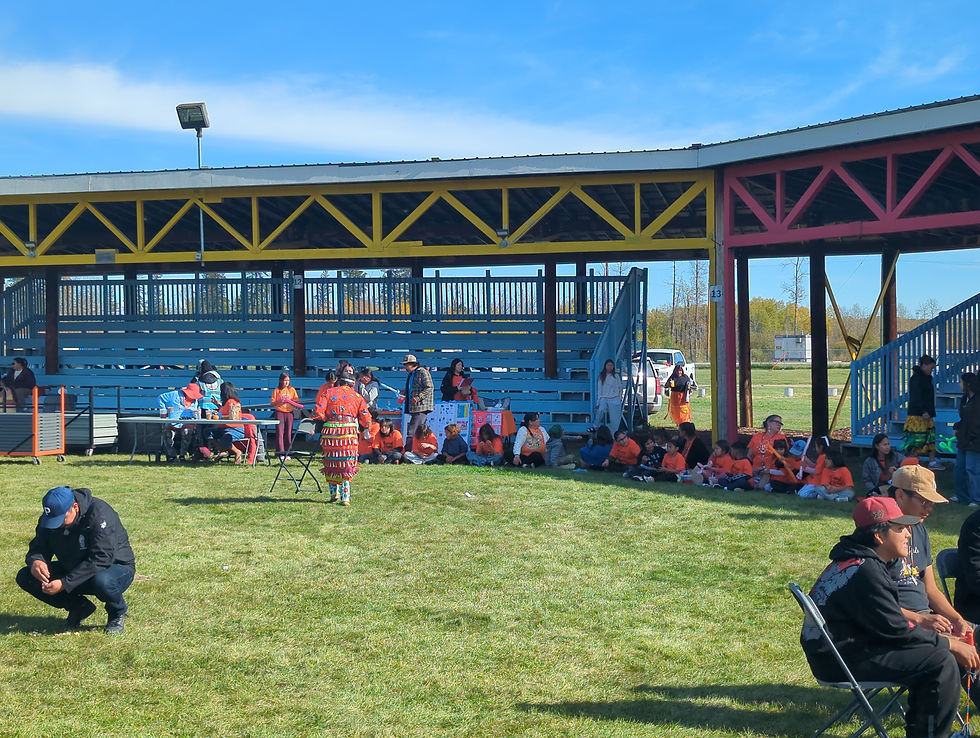
The Paul First Nation Truth and Reconciliation Celebration at the Arbor showed what community-led remembrance can look like when health, culture, and ceremony come together. It included solemn moments, public truth-telling, local leadership, food, youth creativity, dance, and gifts.
The takeaway from the day was clear: reconciliation is not only marked by a date on the calendar. It is carried through relationships, through listening, through cultural practice, and through the continued work of caring for one another.
Comments